Sales & Engineering: +1 (866) 517-8400 [email protected]

Battery Analyzer Manufacturer & Factory in Tokyo

Precision Energy Test Infrastructure & High-Power Emulation Systems

Whitepaper & Industrial Product Guide

Next-Generation Battery Cell, Pack & Power Grid Diagnostics

As Tokyo expands its position as a global epicentre for electric vehicle R&D, urban energy storage (BESS), and advanced power electronics, our Tokyo manufacturing facilities deliver engineering-grade battery analyzers, programmable DC load banks, AC power sources, and vacuum circuit breakers tailored for sub-millisecond dynamic transient analysis and industrial compliance.
Featured Industrial Battery Test & Power Load Systems

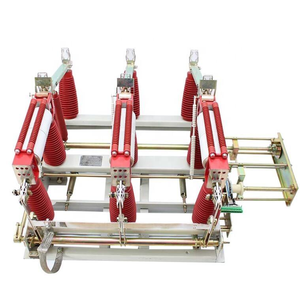
CNXE FZRN21-40.5D Outdoor High-voltage Vacuum Load Switch Circuit Breaker
Outdoor High-Voltage Vacuum Load Switch Circuit Breaker (40.5kV, 60Hz)
Grid Security: 3-Phase AC power grid isolation, high-voltage load switching & vacuum arc suppression.
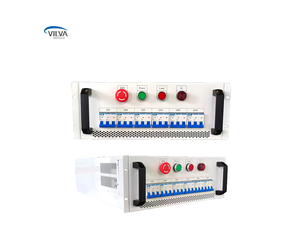
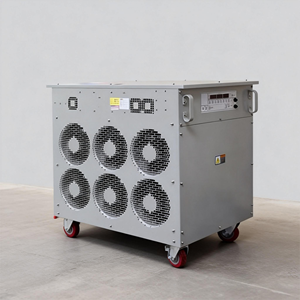
10KW Resistive Load Bank Indoor UPS Test Use
10KW Resistive Load Bank (Indoor) - Precision UPS & Battery Test
Voltage Range: 220V 50/60Hz single & 3-phase, forced-air cooling, step-loading control.
1000KW 3 Phase AC Load Bank
1000KW High-Capacity 3-Phase AC Load Bank (440V / 380V / 220V)
Application: Megawatt-scale BESS discharge, generator commissioning, heavy industrial load.
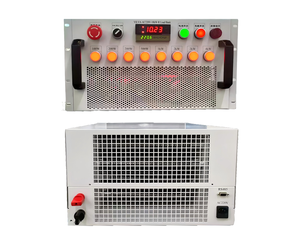
1KW Portable Resistive AC Load Bank
1KW Portable Compact AC Resistive Load Bank (380V Dummy Load)
Mobility: Lightweight benchtop design for data center server rack & local battery backup verification.
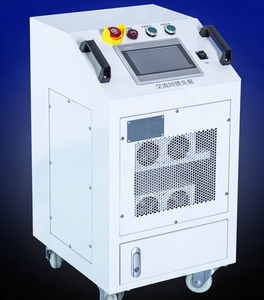
Customizable AC Regenerative Load Bank
High-Power Energy Saving AC Regenerative Load Bank with Grid Feedback
Efficiency: >92% energy feedback recovery for high-duty industrial aging & battery discharge test.
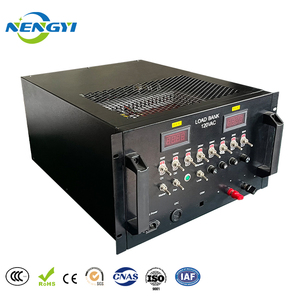
6kw 120vac Load Bank Data Center Test
6kW 120VAC Precision Load Bank for Data Center & Inverter Testing
Control: Programmable linear current control, RS485/Ethernet telemetric logging.
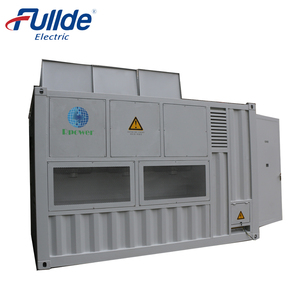
1500KW CE Certified AC Load Bank
1500KW CE-Certified Industrial Multi-Voltage AC Load Bank System
Multi-Tap: 115V / 220V / 380V / 400V / 415V / 690V support, heavy-duty industrial chassis.
Portable 100kW AC Load Bank 380V
Portable 100kW AC 380V Resistive Load Bank with Forced Air Cooling
Cooling: High-CFM internal blower architecture, over-temperature auto-shutdown system.
20+
Years Manufacturing Experience
1000V
Max Pack Test Capacity
92%+
Regenerative Efficiency
<1ms
Transient Dynamic Response

Engineering Whitepaper: Advanced Battery Analysis & Power Emulation Architecture

Modern electrochemical energy storage technologies—spanning high-nickel NMC pouch cells, LFP prismatic modules, and next-generation solid-state architectures—demand unprecedented precision in dynamic charge-discharge characterization. As a premier battery analyzer manufacturer and factory operating in Tokyo, our engineering philosophy bridges high-frequency switching power electronics with algorithmic Electrochemical Impedance Spectroscopy (EIS) to deliver comprehensive battery diagnostic platforms.

Evaluating state-of-health (SoH), thermal runaway mitigation thresholds, internal resistance ($R_{dc}$ and $R_{ac}$), and dynamic state-of-charge (SoC) behavior requires test instruments capable of operating across diverse electrical regimes. Whether validating portable pack assemblies, evaluating EV battery modules under real-world driving cycles (WLTP/EPA standards), or commissioning megawatt-scale Battery Energy Storage Systems (BESS) connected to Tokyo’s 50Hz regional grid, precision power control forms the cornerstone of safety and operational reliability.

1. Technical Architecture of Industrial Battery Analyzers

A professional-grade battery analyzer serves a dual purpose: precise electrical excitation and multi-channel synchronous data acquisition. Unlike consumer-grade battery testers that rely on static resistive loads, our Tokyo-engineered analyzers employ fast-response, bidirectional power stages powered by digitally controlled MOSFET and IGBT arrays.
  • Multi-Channel Synchronous Sampling: Voltage and current sensors operate with 24-bit delta-sigma ADCs, capturing micro-volt transients during rapid load steps. This enables accurate measurement of Equivalent Series Resistance (ESR) without disrupting the electrochemical equilibrium of the cell.
  • Electrochemical Impedance Spectroscopy (EIS): By superimposing a low-amplitude AC sinusoidal current over a wide frequency spectrum (0.1 Hz to 10 kHz), our instruments plot Nyquist and Bode diagrams. This non-destructive test isolates charge transfer resistance ($R_{ct}$), solid electrolyte interphase (SEI) growth, and solid-state diffusion kinetics.
  • Dynamic Driving Cycle Emulation: R&D facilities can import arbitrary power profiles (such as UDDS, HWFET, or custom CAN-bus data streams from vehicle field units) with slew rates exceeding 50 A/µs, stressing the Battery Management System (BMS) under accurate thermal and electrical loads.
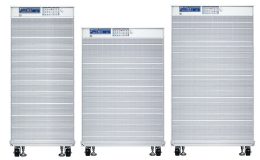
APS 5VP Series high power programmable DC electronic loads for battery pack testing

2. The Role of High-Power DC & AC Electronic Load Banks

When testing complete battery packs up to 1000 Vdc or validating facility-level UPS systems, standalone battery analyzers are integrated with high-capacity programmable DC load banks. The 5VPxC Series high-power DC electronic loads exemplify this integration, supporting up to 60 kW per chassis with master/slave paralleling capability for multi-hundred-kilowatt test bays.

These load banks support four primary operational modes: Constant Current (CC), Constant Voltage (CV), Constant Resistance (CR), and Constant Power (CP). In battery discharge testing, constant power control is critical for simulating real-world inverter draws, while constant current mode allows precise amphour capacity verification. Integrated safety cut-offs—triggered by cell-level over-voltage, under-voltage, thermal runaway limits, or loss of BMS communication—ensure total operator protection during accelerated lifetime aging studies.

3. Regenerative Energy Feedback: Sustainability & Thermal Optimization

Traditional resistive load banks dissipate 100% of discharged battery energy as heat, requiring massive HVAC cooling systems and generating significant utility expenditures. Our Tokyo factory manufactures state-of-the-art AC Regenerative Load Banks that invert DC discharge energy back into clean, grid-synchronized 3-phase AC power with energy recovery efficiencies exceeding 92%.

By returning power directly to the facility grid (200V 3-phase 50Hz in Eastern Japan or customized export voltages), automotive OEM test labs drastically reduce their carbon footprint, minimize thermal load on local air handling infrastructure, and yield return-on-investment (ROI) within 14 to 22 months of continuous burn-in testing.

System Performance Matrix & Technical Specifications

Equipment Category Voltage Envelope Current / Power Range Dynamic Slew Rate Core Application Domain
Benchtop Battery Analyzer 0 - 20 VDC (Cell Level) 0.1A - 100A per Channel > 10 A/µs EIS Characterization, SEI Layer Growth Analysis
5VPxC High-Power DC Load 60V - 1000 VDC Up to 60kW / Chassis > 50 A/µs EV Battery Pack Discharge, Cycle Life Aging
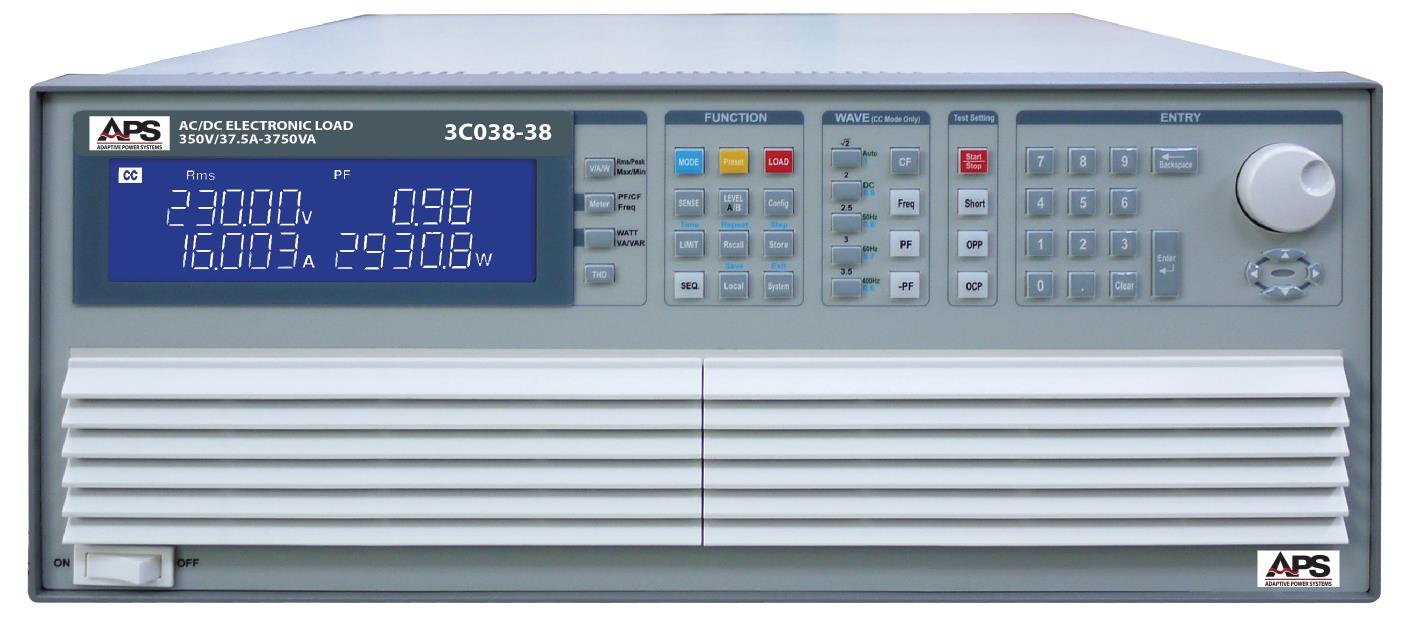
3C / 3D AC & DC Load Bank 350 VAC / 500 VDC 1.8 kVA - 22.5 kVA Programmable PF (0-1) UPS Burn-in, Inverter Crest Factor Testing
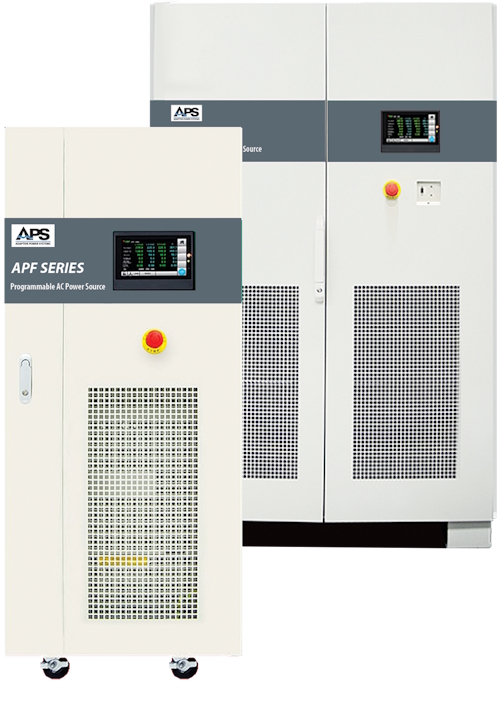
APF3000 AC Source Cabinet 0 - 600 Vln / 1039 Vll 10 kVA - 150 kVA 50/60/400 Hz Grid Simulated Utility Grid, Global Voltage Emulation
AC Regenerative Feedback Load 100V - 800 VDC Input 10kW - 1500kW Racked 92%+ Energy Recovery High-Efficiency Industrial Production & Battery Aging
APS APF Series single and three phase AC power source cabinets

Localized Application Scenarios in Greater Tokyo & Japan

The Greater Tokyo Metropolitan Area represents one of the world's most concentrated clusters of advanced engineering, automotive innovation, and high-density infrastructure. Serving local OEMs, tier-1 suppliers, data center operators, and regional power utilities requires custom engineering tailored to Japan's unique grid and environmental standards.

A. Automotive R&D Corridors (Kanagawa, Tokyo & Tochigi)

Automotive research centers along the Tokyo Bay technology belt require localized battery pack validation units compatible with high-voltage architectures (800V EV platforms). Our Tokyo factory builds custom battery analyzers integrated with liquid-cooling interfaces and climate chamber controllers. These setups allow engineers to simulate freezing Hokkaido winter starts alongside humid Tokyo summer fast-charging conditions, ensuring full compliance with JIS D 1301 and UN 38.3 standards.

B. Hyperscale Data Center Backup in Chiba & Inzai Metro

The rapid expansion of AI compute clusters in Inzai and Greater Tokyo has created immense demand for ultra-reliable Uninterruptible Power Supply (UPS) systems and lithium-ion standby battery banks. Our portable 10KW to 1000KW resistive load banks allow localized technicians to perform routine load-step verification, battery capacity discharge testing, and thermal imaging of transfer switches without taking critical IT racks offline.

C. High-Voltage Substation & Railway Infrastructure

Japan's high-speed rail networks (Shinkansen) and Tokyo metro transit systems depend on robust 3-phase AC distribution and DC traction power networks. By integrating CNXE Outdoor High-Voltage Vacuum Load Switch Circuit Breakers (40.5kV) with our high-power load banks, railway electrical maintenance units can safely switch, isolate, and test substation transformers and backup battery banks under real load conditions.

Localized Development Trends & Regulatory Shifts in Japan

Japan’s Ministry of Economy, Trade and Industry (METI) has established stringent decarbonization milestones aimed at achieving Net Zero emissions by 2050. This policy landscape is driving rapid changes in power testing requirements:
  • Commercialization of Solid-State Batteries: Leading Japanese consortiums are advancing solid-state battery production lines. Testing solid-state chemistries demands ultra-precise pressure-monitored cell holders and micro-amp current resolution to evaluate interface resistance and dendrite formation under high temperatures.
  • Grid Frequency Stabilization (BESS Integration): With increased penetration of solar power in Kansai and Kyushu, Tokyo utilities are deploying megawatt-scale grid-tied BESS. Test systems must perform rapid bidirectional grid-code simulation, validating how fast a battery system can inject power into the 50Hz grid during frequency deviations.
  • JIS & IEC Compliance Harmonization: Compliance with JIS C 8715-2 (industrial lithium secondary cells) and IEC 62619 requires rigorous overcharge, short-circuit, and forced internal short-circuit testing, requiring heavy-duty automated test enclosures with built-in blast protection and fire suppression interfaces.
APS 3C Series medium to high power AC and DC electronic load front view

Enterprise Advantage: Why Global & Local Engineers Choose Our Tokyo Factory

Since 2003, our engineering group has spearheaded innovations in programmable AC/DC power sources, electronic loads, digital power analyzers, and high-voltage grid protection equipment. Operating a dedicated manufacturing facility in Tokyo grants our clients unique advantages:

Japanese Precision & Engineering

Strict quality control processes, ISO 9001 certified assembly lines, and rigorous factory acceptance testing (FAT) ensure sub-millisecond precision and decades of operational lifespan.

Custom Dynamic Firmware

Direct access to our Tokyo software engineering team allows custom development of automated test routines, SCPI/Modbus command mappings, and proprietary CAN protocol decoding.

Rapid Field Support & Calibration

Local stocking of spare modules, fast turn-around NIST/JIS traceable calibration, and dedicated on-site commissioning engineers across Japan and international destinations.

Buyer Knowledge Base

Frequently Asked Procurement & Technical Questions

What line voltage and frequency specifications do your Tokyo power test systems support?
Our AC Power Sources (such as the APF Series) and Programmable Load Banks natively support Eastern Japan's 100V/200V 50Hz grid as well as Western Japan's 60Hz grid. Output frequency is fully adjustable from 45 Hz up to 500 Hz (supporting 400 Hz aerospace applications), with output voltages reaching 600 V line-to-neutral (1039 V line-to-line). Multi-voltage selector taps allow global deployment without external transformers.
Can your battery analyzers and electronic loads integrate directly into automated ATE racks via CAN or Ethernet?
Yes. All modern battery analyzers, 5VPxC DC loads, and 3C/3D Series AC+DC load systems are standard-equipped with Ethernet (TCP/IP), USB, and RS485 interfaces, with optional isolated GPIB and dual-port CAN-bus modules. We provide comprehensive LabVIEW drivers, Python API packages, and SCPI command documentation for seamless integration into factory automated test equipment (ATE).
How does your factory handle custom battery discharge profiles and energy-recovery grid tie compliance?
Our Tokyo engineering group works directly with procurement teams to preload custom step-discharge profiles, driving cycle dynamics (WLTP), or custom pulse sequences into instrument non-volatile memory. For regenerative loads, our grid-interface modules comply with Japanese utility grid-interconnection standards (anti-islanding protection, THD <3%, and fast utility disconnect).
What calibration certificates and factory warranty protection are provided with equipment purchases?
Every instrument shipped from our Tokyo factory undergoes rigorous 72-hour full-load burn-in testing and comes standard with a Factory Calibration Certificate traceable to JIS and ISO/IEC 17025 standards. Systems include a comprehensive 1-year to 3-year factory warranty, backed by local service centers in North America, Europe, and Asia-Pacific.
What is the typical lead time for standard vs. customized high-power test cabinets in Tokyo?
Standard benchtop load units and portable AC load banks (e.g., 1kW - 10kW) are typically stocked for immediate dispatch or delivered within 1 to 2 weeks. Custom high-power cabinets (e.g., 60kW to 1500kW regenerative load systems or 40.5kV vacuum circuit switchgear) require 4 to 8 weeks depending on engineering customization and factory acceptance testing schedules.

Speak with a Tokyo Application Engineer Today

Whether you require a single cell battery impedance analyzer, a 60kW DC electronic load chassis, or a complete 1500kW grid-regenerative battery discharge test system, our technical engineering team is ready to assist with sizing, specification matching, and formal quotations.

Send an Inquiry