Topological Analysis Linear vs. Switch-Mode PWM Single Phase AC Power Sources
Choosing between a linear amplifier topology and a high-frequency Switch-Mode Pulse Width Modulation (PWM) architecture is a fundamental decision when specifying single-phase AC sources.
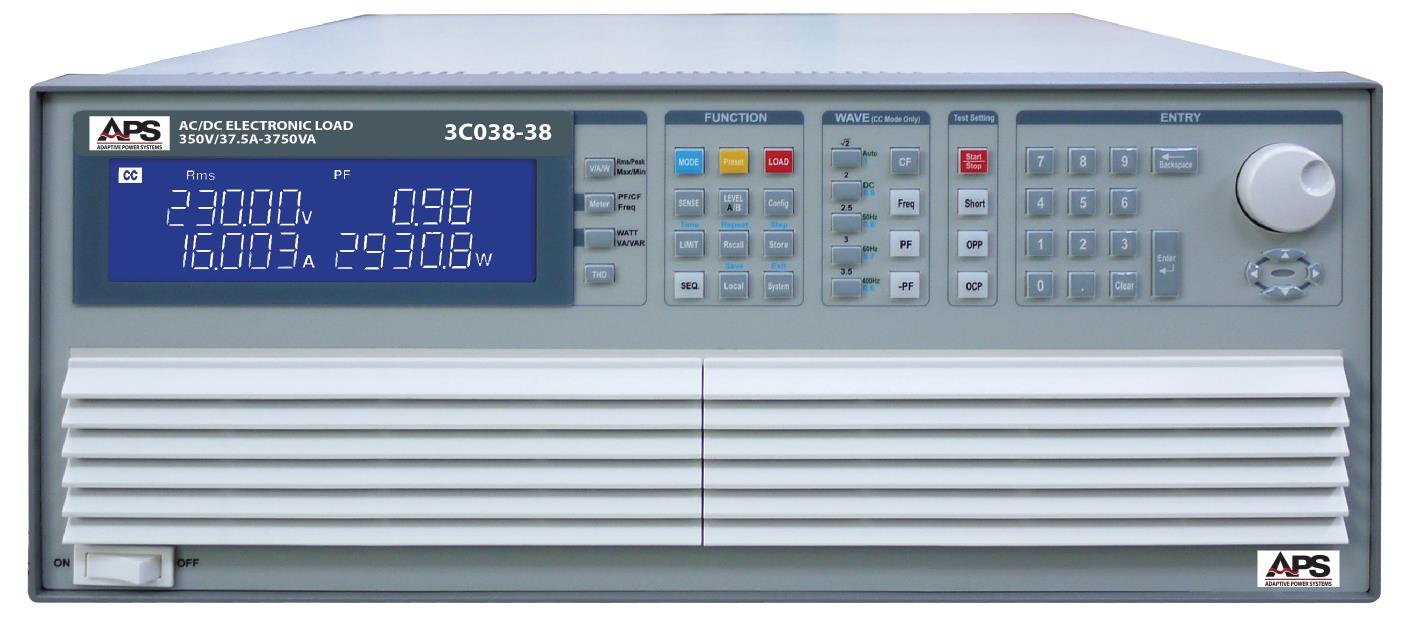
Linear Single Phase AC Sources utilize high-fidelity linear output stages to deliver exceptionally low total harmonic distortion (THD < 0.1%), zero switching noise, and rapid transient response (< 15 µs). They are the gold standard for audio equipment compliance, ultra-sensitive analog measurement, and high-frequency noise-sensitive EMI testing. However, linear topology yields lower operational efficiency (typically 45%–60%), resulting in increased thermal dissipation and larger chassis footprints.
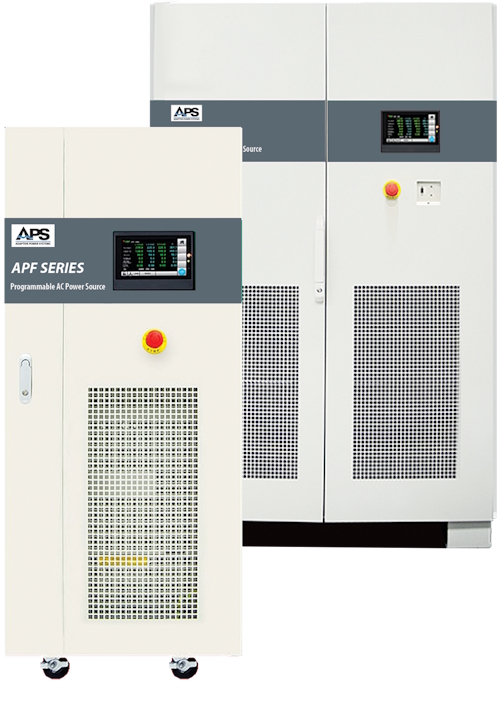
Switch-Mode PWM AC Sources employ state-of-the-art Insulated Gate Bipolar Transistors (IGBTs) or Silicon Carbide (SiC) MOSFETs operating at high switching frequencies (20 kHz to 100 kHz). These units achieve efficiencies between 85% and 93%, drastically reducing facility power draw and heat load. Through advanced DSP filtering, Adaptive Power Systems switch-mode single phase AC sources achieve clean sine wave outputs with THD under 0.5%, making them the ideal choice for high-power production ATE, industrial burn-in, and export utility simulation.
THD < 0.5%Pristine Sine Wave Output
15 – 1200 HzWide Frequency Range
> 90% EfficiencyHigh Density PWM Design
Galvanic IsolationStandard Shielded Output
Send an Inquiry